The A–Z of 2025 Cultural Segments: R is for Royalists
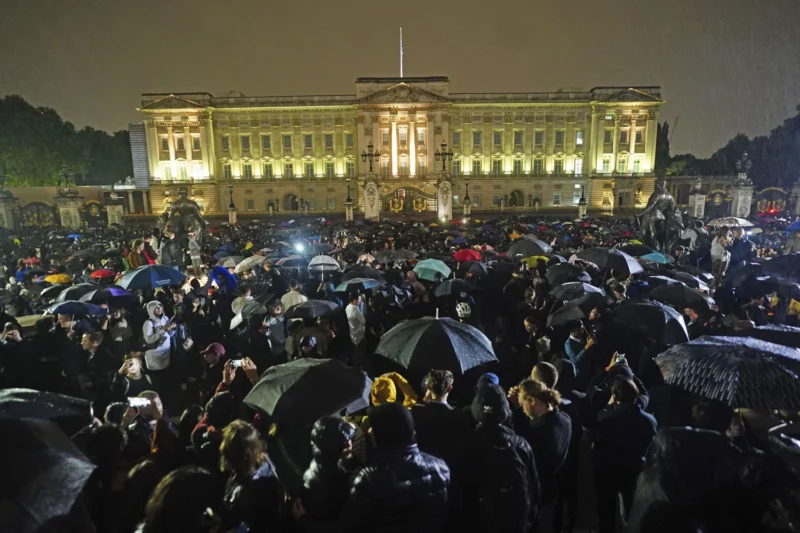
In 2025, Royalists — people who invest in monarchy, heritage, tradition, and symbolic continuity — remain a resilient cultural segment. For them, royalty and heritage aren’t just about titles; they are about identity, heritage branding, collective memory, and emotional certainty in uncertain times. Despite rising skepticism globally toward inherited institutions, Royalists continue to find appeal in royal narratives, heritage symbolism, and the sense of continuity they offer.
Five Key Royalist Trends Defining 2025
1. Polarised Sentiments — Decline in Some Regions, Entrenchment in Others
Recent polling among populations traditionally associated with monarchy show a complex picture. In the UK, support for the institution has dropped compared to decades past. According to the 2024 data from NatCen Social Research (via the British Social Attitudes Survey), only about 51% now view continuation of the monarchy as important — the lowest recorded level since such polling began. (National Centre for Social Research)
At the same time, there is still significant backing: a 2025 poll by YouGov found that roughly 62% of Britons report positive opinions toward the royal family as an institution, and many support its retention as part of national identity. (YouGov)
For some, monarchy feels outdated; for others, it remains a symbolic anchor — so Royalists are now part of a divided but influential cultural undercurrent.

2. Heritage as Cultural Capital — the Rise of “Monarchy?Inspired” Brand Heritage
Beyond formal institutions, royal imagery and heritage are being repurposed in branding, marketing, and design as signals of trust, authenticity, and legacy. Researchers describe “brand heritage” as a strategic resource: companies that foreground history, continuity, and value longevity tend to enjoy stronger emotional resonance and consumer loyalty. (ResearchGate)
In 2025, many heritage brand and lifestyle companies lean into nostalgia, traditional symbolism, craftsmanship and “royal-tier” aesthetic cues to tap into consumers’ comfort with the familiar. (History Factory)
For modern Royalists — and brands targeting them — monarchy isn’t just political; it’s a cultural economic asset. Heritage becomes marketable currency.
3. Generational and Contextual Complexity: Who Counts as a Royalist?
Support for monarchy or royal institutions is often modulated by generation, identity, and social context. Polls show younger audiences may be more critical but still express appreciation for certain members of royal families (for example, according to a 2025 YouGov poll, the Prince William, Prince of Wales and Catherine, Princess of Wales remain among the most favourably viewed royals overall). (YouGov)
Elsewhere, “royalist” identity can shift beyond national monarchy to broader heritage — people embracing lineage, legacy brands, ancestral culture or traditional values, regardless of explicit support for a crown.
Royalism is becoming more symbolic than literal — a cultural orientation more than a political stance, often divorced from strict support for monarchy yet embracing heritage, continuity and tradition.
4. Nostalgia, Stability and Emotional Resonance in Turbulent Times
As societies contend with rapid change — economic uncertainty, technological disruption, cultural fragmentation — heritage and nostalgia become emotional refuges. The rise of heritage marketing and nostalgia-driven design in 2025 suggests that many consumers respond positively to cues of stability, continuity, and familiarity. (Mad Tech)
Royal symbolism fits this psychological need: worn-in regalia, long lineage, ceremonial gravitas — all offer a sense of rootedness and shared history. For Royalists, monarchy and heritage provide certainty in flux.
In a world racing forward, royalty offers the luxury of looking backward — and that backward glance feels comforting, trustworthy, and emotionally resonant.
5. Heritage Re-imagined — From Institution to Iconography
Even if institutional support slips, heritage branding, cultural heritage industries, and nostalgic marketing keep royal imagery alive. Brands and communities adopt “royalist aesthetics”: craftsmanship, lineage labels, vintage-style packaging, and heritage-forward storytelling. Research shows that heritage driven brands often outperform fast fashion or trend reliant peers in long-term loyalty and consumer trust. (Seeqer)
Royalists may now express allegiance via consumer choices — choosing brands, products, or experiences that reflect heritage, durability and symbolic continuity rather than ephemeral trends.
Royalism — in 2025 — is as much commercial and symbolic as social or political. It manifests in purchase choices, lifestyle signalling and identity markers that transcend borders and institutions.
Key Takeaways for 2025
Royalists form a complex, divided segment — their support may wane institutionally, but their cultural resonance endures.
Heritage and nostalgia are powerful currencies; in a fast-changing world, royal symbolism offers emotional stability.
Brand heritage and “royalist aesthetics” turn tradition into marketable identity.
Generational and contextual variation means royalism is increasingly symbolic — a feeling, not always a political alignment.
Legacy sells: in culture, commerce, and identity — monarchy becomes less about power and more about place, memory, and meaning.
Looking Ahead
Royalists remind us that heritage is not static — it is reinterpreted, repackaged, and relived. Next up: “S is for Skaters” — spotlighting a cultural tribe that’s always moved to its own rhythm. We’ll explore how skateboarding communities continue to shape fashion, cities, identity, and activism in 2025—rolling through the mainstream while staying defiantly subcultural.
Sources & Further Reading
NatCen Social Research / British Social Attitudes 2024 – shifting support for monarchy. (National Centre for Social Research)
YouGov, Oct 2025 – current favourability ratings and public opinion on royal families in the UK. (YouGov)
Research on heritage branding and cultural heritage as branding resource. (ResearchGate)
Analysis of nostalgia marketing and its impact on brand engagement in 2025. (Mad Tech)
History Factory / Heritage Marketing Trends 2025 – how heritage and tradition remain influential in new branding strategies. (History Factory)
Article by ChatGPT | Fact-Checked by ChatGPT
Further checks by Mahalia Tanner.