
Is eco-tourism the future of travel or just a buzzword?
Sustainability in consumption is no longer just a buzz phrase, as consumers around the world are increasing choosing to vote on the issues that mean something to them with their cash. With climate change headlines dominating the media in the past few years, it’s no wonder that consumers are looking to businesses and organisation to lead the way in eco measures.
In 2023 Booking.com released research with insights gathered from more than 33,000 travellers across 35 countries and territories, that shone a light on travellers priorities when it came to eco-travel.
The study revealed that 76% of travellers stated that they want to travel more sustainably over the coming 12 months. However the same percentage stated that the global energy crisis and rising cost of living is impacting their ability to do so due to money constraints. Nearly half (49%) of travellers believe more sustainable travel options are too expensive, in contrast to 43% who are willing to pay extra for travel options with a sustainable certification.
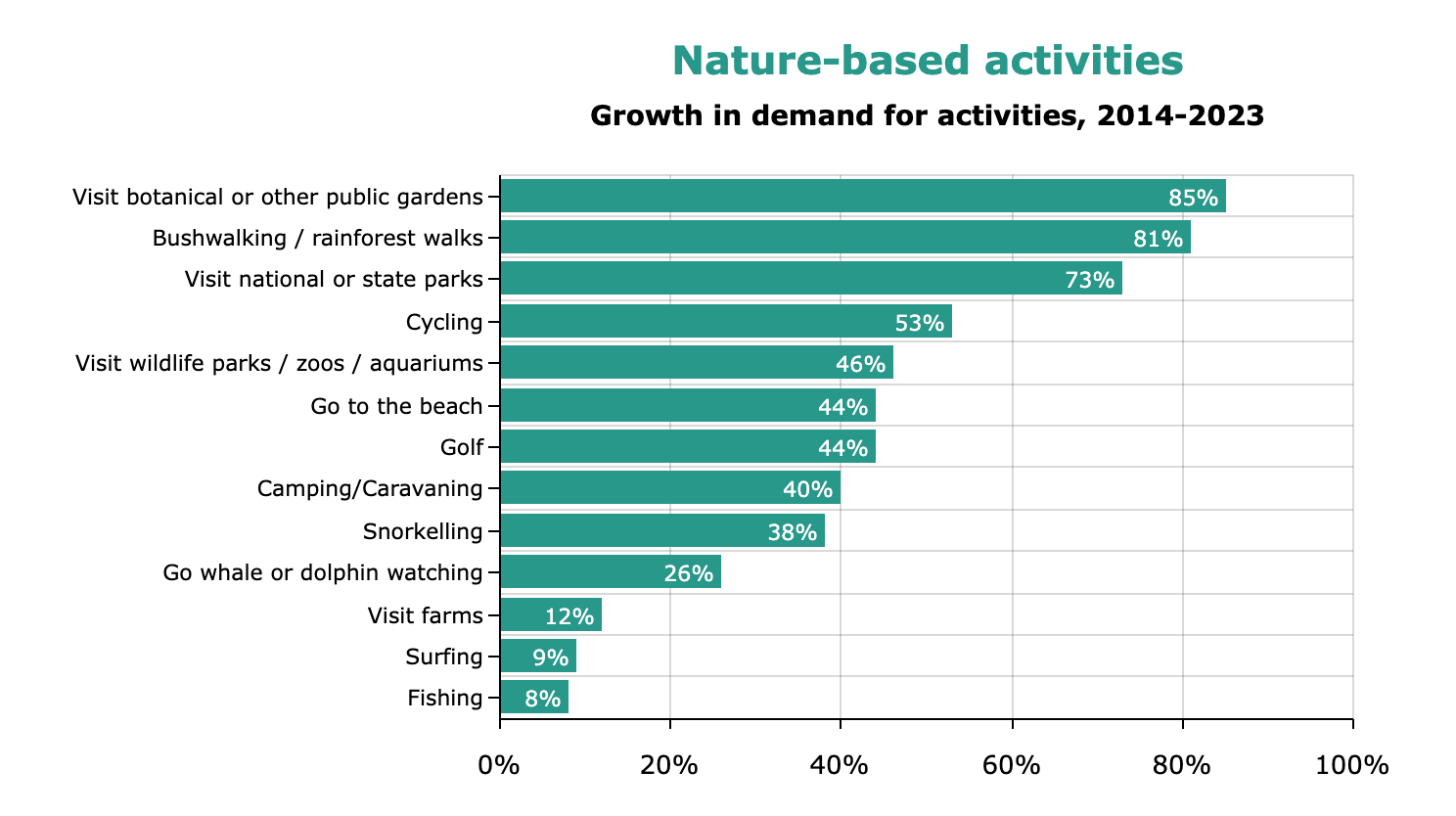
This study is supported by another conducted by Tourism Research Australia, that demonstrates that from 2014 to 2023, nature-based activities among Australians has seen an overall growth of 47% in demand. Some activities grew by almost 85%, and around 50% more people are enjoying Australia’s stunning great outdoors .
At the same time, global tourism emissions have been growing at double the rate of the global economy. A study reveals that between 2009 and 2019, emissions increased by 40%, from 3.7 gigatonnes (7.3% of global emissions) in 2009 to 5.2 gigatonnes (8.8% of global emissions) in 2019. With a lull in travel over the 2020/21 period, reports indicate that tourism is back to pre-pandemic levels.
Governments, tour operators, and hotels increasingly tout “eco” credentials, promising carbon-neutral adventures, wildlife encounters, and community impact. But as demand grows, so does skepticism. Is eco-tourism truly reshaping global travel, or is it just clever branding?
The International Ecotourism Society defines eco-tourism as “responsible travel to natural areas that conserves the environment, sustains the well-being of the local people, and involves interpretation and education.”
In practice, this means small-scale lodges built with renewable materials, community-owned wildlife safaris, or rainforest treks where visitor fees directly support conservation. Advocates argue eco-tourism can generate jobs, protect biodiversity, and educate travellers — turning tourism into a force for good rather than destruction.
The flip side is that eco-tourism’s popularity, along with consumer naïvety, makes it ripe for exploitation. Industry watchdogs warn that many businesses adopt the “eco” label with little evidence. It’s a trend we’ve seen run rampant in the clothing industry as brand try to jump on the sustainable bandwagon without doing the work.
The problem is only compounded by vague terminology. “Eco,” “green,” “sustainable,” and “responsible” are often used interchangeably, leaving consumers confused.
For eco-tourism to move from buzzword to solution three shifts must happen:
Regulation and accountability: Clear standards and independent audits must verify sustainability claims.
Traveler responsibility: Consumers must be willing to pay more for ethical, lower-impact travel.
Industry leadership: Airlines, cruise companies, and major hotel chains must embrace systemic change — not just boutique operators.
So buzzword or the future? Eco-tourism is both. On one hand, it’s a marketing tool often diluted by greenwashing. On the other, when implemented with integrity, it has transformed destinations and communities.
The future of eco-tourism depends less on catchy labels and more on accountability, investment, and traveler choices. As the climate crisis accelerates, the question is no longer whether eco-tourism is a niche trend — but whether it can influence mainstream travel fast enough to matter.




